


weather in cambodia: a seasonal guide
Cambodia, a country brimming with ancient temples, bustling markets, and rich cultural heritage, offers a unique blend of experiences for travelers. Understanding the weather in Cambodia is crucial for planning a trip that maximizes your comfort and enjoyment. This guide will help you navigate Cambodia's climate, highlighting the best times to visit iconic landmarks, hidden gems, and cultural festivals.

Cambodia travel - © Nomadicmatt
Dry Season (November to April)
The dry season in Cambodia is divided into two distinct periods: the cool dry season from November to February and the hot dry season from March to April. Both offer unique opportunities to explore the country's rich architectural and cultural heritage.
Cool Dry Season (November to February)
The cool dry season is Cambodia's peak tourist period, especially from December to February, when the weather is cooler and more comfortable.
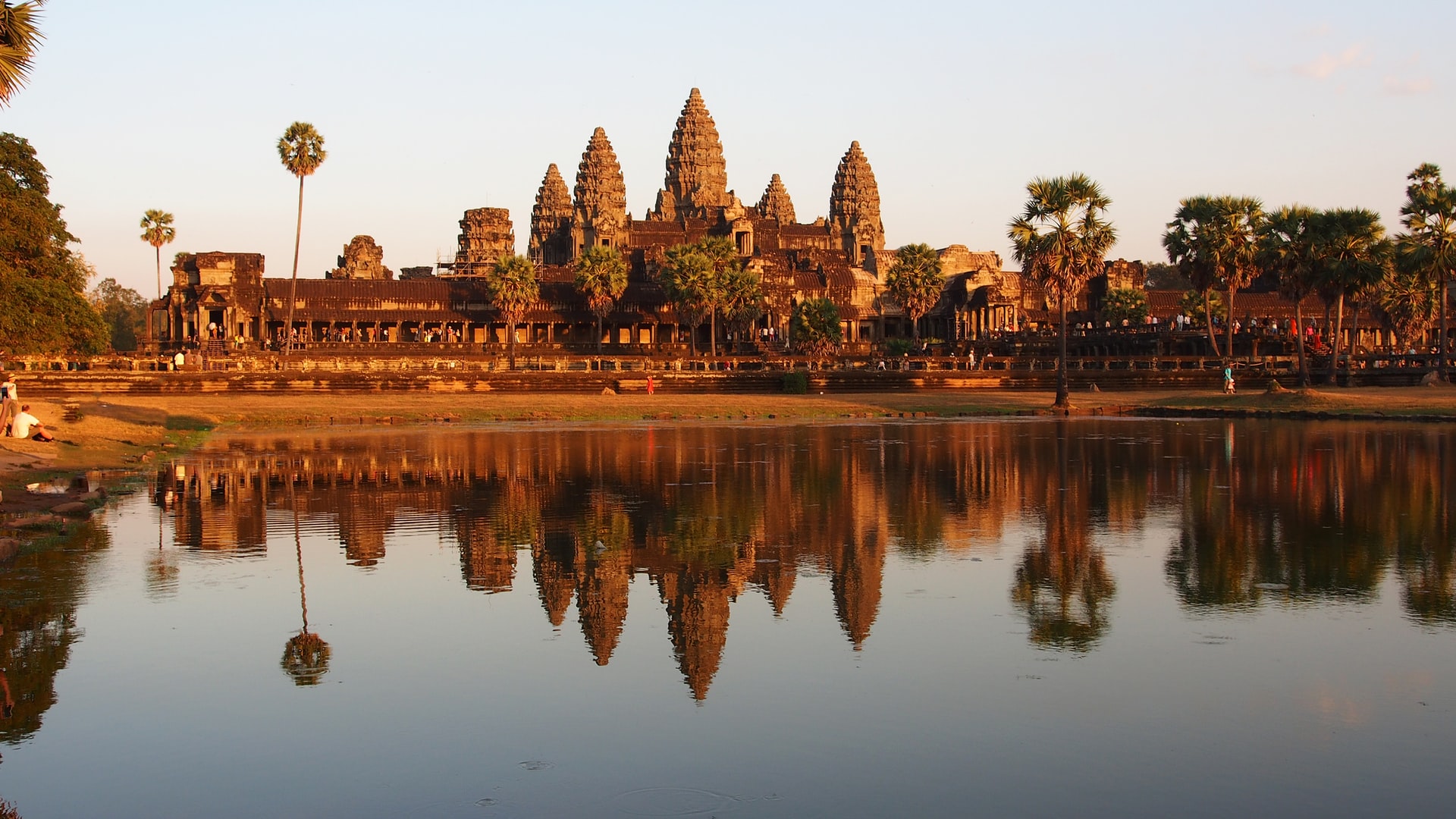
Angkor Wat
- History and Significance: Constructed in the early 12th century during the reign of King Suryavarman II, Angkor Wat is the largest religious monument in the world. It symbolizes the peak of Khmer architecture, combining intricate bas-reliefs with grandiose towers.
- Experience: Visiting Angkor Wat during the cool mornings, when the air is crisp and the light is perfect for photography, is a mesmerizing experience. The scent of incense wafts through the air, mingling with the earthy aroma of ancient stone. Witnessing a sunrise here, with the sky painted in hues of pink and orange, is nothing short of magical.
Angkor Wat sunrise - © Offbeatescapades
Phnom Penh
- Royal Palace and Silver Pagoda: In Phnom Penh, the Royal Palace and Silver Pagoda stand as symbols of Cambodia’s enduring monarchy and cultural heritage. The Royal Palace, with its golden spires and ornate architecture, serves as the royal residence and a venue for official ceremonies. Adjacent to it is the Silver Pagoda, named for its floor inlaid with over 5,000 silver tiles. The pagoda houses many national treasures, including a life-sized gold Maitreya Buddha adorned with diamonds. As you stroll through the palace grounds, the sound of traditional music often drifts through the air, enhancing the regal atmosphere of this historic site. Bayon Temple faces - © SanerG

- Royal Palace and Silver Pagoda: In Phnom Penh, the Royal Palace and Silver Pagoda stand as symbols of Cambodia’s enduring monarchy and cultural heritage. The Royal Palace, with its golden spires and ornate architecture, serves as the royal residence and a venue for official ceremonies. Adjacent to it is the Silver Pagoda, named for its floor inlaid with over 5,000 silver tiles. The pagoda houses many national treasures, including a life-sized gold Maitreya Buddha adorned with diamonds. As you stroll through the palace grounds, the sound of traditional music often drifts through the air, enhancing the regal atmosphere of this historic site.
Mondulkiri
- Bousra Waterfall: This remote province in eastern Cambodia is perfect during the cool dry season for its lush landscapes and stunning waterfalls. Bousra Waterfall, with its three-tiered cascade, is a breathtaking sight. The cool, refreshing spray from the waterfall offers a pleasant respite from the day's heat.Bousra Waterfall - © Vorleak Chak

- Bousra Waterfall: This remote province in eastern Cambodia is perfect during the cool dry season for its lush landscapes and stunning waterfalls. Bousra Waterfall, with its three-tiered cascade, is a breathtaking sight. The cool, refreshing spray from the waterfall offers a pleasant respite from the day's heat.
Hot Dry Season (March to April)
As the dry season progresses, temperatures rise, often reaching up to 40°C. The intense heat can be challenging, but it's also the perfect time to enjoy Cambodia's beautiful beaches.
Sihanoukville
- Beaches and Nightlife: The coastal city of Sihanoukville offers stunning beaches where you can relax and cool off in the crystal-clear waters. Otres Beach, with its white sands and turquoise waters, is particularly inviting. In the evenings, the vibrant nightlife and beachside bars come alive, providing a perfect escape from the daytime heat.Sihanoukville - © Champameuanglao

- Beaches and Nightlife: The coastal city of Sihanoukville offers stunning beaches where you can relax and cool off in the crystal-clear waters. Otres Beach, with its white sands and turquoise waters, is particularly inviting. In the evenings, the vibrant nightlife and beachside bars come alive, providing a perfect escape from the daytime heat.
Tonle Sap Lake
- Floating Villages: Visiting Tonle Sap Lake during the hot dry season allows you to explore the fascinating floating villages. As the largest freshwater lake in Southeast Asia, Tonle Sap is home to communities that live and work on the water. The sight of stilted houses and bustling floating markets offers a unique glimpse into local life.Floating Villages Tonle Sap Lake - © Restless

- Floating Villages: Visiting Tonle Sap Lake during the hot dry season allows you to explore the fascinating floating villages. As the largest freshwater lake in Southeast Asia, Tonle Sap is home to communities that live and work on the water. The sight of stilted houses and bustling floating markets offers a unique glimpse into local life.
Wet Season (May to October)
The wet season, or monsoon season, brings heavy rains and high humidity, transforming Cambodia's landscape into a lush, green paradise. Rainfall is frequent but typically comes in short, intense bursts, often in the afternoons and evenings.
Phnom Penh
- Cultural Sites: The capital city is particularly captivating during the wet season. The rain adds a certain charm to the Royal Palace and Silver Pagoda, with the glistening roofs and lush gardens looking even more picturesque. The bustling markets, such as the Central Market, offer shelter from the rain and a chance to experience local life.Central Market (Phsar Thmey) - © Cambodiabeginsat40

- Cultural Sites: The capital city is particularly captivating during the wet season. The rain adds a certain charm to the Royal Palace and Silver Pagoda, with the glistening roofs and lush gardens looking even more picturesque. The bustling markets, such as the Central Market, offer shelter from the rain and a chance to experience local life.
Siem Reap
- Angkor Temples: The temples of Angkor, including Angkor Wat, Angkor Thom, and Ta Prohm, are enveloped in lush greenery during the wet season. The moss-covered stones and rain-soaked paths create a mystical atmosphere. Exploring these temples with fewer tourists around can be a deeply spiritual experience.Angkor Wat architecture - © Doric-column

- Angkor Temples: The temples of Angkor, including Angkor Wat, Angkor Thom, and Ta Prohm, are enveloped in lush greenery during the wet season. The moss-covered stones and rain-soaked paths create a mystical atmosphere. Exploring these temples with fewer tourists around can be a deeply spiritual experience.
Kampot
- Countryside and Pepper Plantations: Kampot, a charming riverside town, is particularly enchanting during the wet season. The rains enhance the beauty of the surrounding countryside, with lush greenery and flowing rivers creating a serene atmosphere. The Kampot Pepper Plantations are a must-visit, offering a taste of the world-renowned spice amidst the verdant landscape.Kampot Pepper Plantations - © Laplantation

- Countryside and Pepper Plantations: Kampot, a charming riverside town, is particularly enchanting during the wet season. The rains enhance the beauty of the surrounding countryside, with lush greenery and flowing rivers creating a serene atmosphere. The Kampot Pepper Plantations are a must-visit, offering a taste of the world-renowned spice amidst the verdant landscape.
Historical Context: Cambodia’s Architectural Evolution
Cambodia’s architectural history is a rich tapestry woven with influences from Hinduism, Buddhism, and the natural environment. The Khmer Empire, which flourished from the 9th to the 15th century, was the golden age of Cambodian architecture. The empire’s capital, Angkor, became the epicenter of monumental construction, with temples designed to embody the Hindu and later Buddhist cosmologies.
Post-Angkorian architecture saw a shift towards smaller, more modest structures as the country adapted to changing political and economic conditions. The influence of French colonialism in the 19th and 20th centuries introduced new architectural styles, blending traditional Khmer elements with European designs. This fusion is evident in the colonial buildings of Phnom Penh and Battambang, which feature neoclassical facades adorned with Khmer motifs.
Renowned Cambodian architect Vann Molyvann once remarked, “Our architecture and our festivals both stem from the same source – our relationship with the land and the seasons. The temples, the homes, the celebrations, they all tell the story of our connection to this place.”

Khmer Empire architecture - © Itap-world
Cultural Connections: The Role of Weather in Cambodian Traditions
Cambodia’s weather not only shapes its natural landscape but also deeply influences its cultural traditions and festivals. The rhythm of the seasons is intricately woven into the fabric of Cambodian life, giving rise to vibrant celebrations that reflect the harmony between the people and their environment.
Bon Om Touk (Water Festival)
One of the most significant events on the Cambodian calendar is the Water Festival (Bon Om Touk), celebrated in November. This festival marks the end of the rainy season and the beginning of the fishing season, as well as the unique phenomenon of the Tonle Sap River reversing its flow. The festival spans three days and is a grand celebration of Cambodian culture, involving boat races, fireworks, and traditional music.
During Bon Om Touk, the riversides of Phnom Penh come alive with excitement. The sound of traditional drums and the cheers of spectators fill the air as intricately decorated boats, powered by teams of rowers, race down the Tonle Sap River. The vibrant colors of the boats and the rhythmic splashing of the oars create a mesmerizing spectacle. As night falls, the sky above the river is illuminated by a dazzling display of fireworks, reflecting off the water and adding to the festive atmosphere.
Locals and visitors alike gather along the riverbanks, enjoying street food, music, and dance performances. The scent of grilled meats and fresh fruits mingles with the cool evening breeze, creating an immersive sensory experience. The Water Festival is not just a celebration of the changing seasons but also a time for families and communities to come together and give thanks for the bountiful harvest.

Bon Om Touk - © Thebettercambodia
Pchum Ben (Ancestors' Day)
Another culturally significant festival influenced by Cambodia’s seasonal cycles is Pchum Ben, also known as Ancestors' Day. This 15-day festival, usually held in September or October, coincides with the end of the rainy season. It is a time when Cambodians pay their respects to their ancestors through offerings and prayers.
During Pchum Ben, people visit pagodas to make offerings of food, flowers, and incense to the monks, who in turn offer prayers for the deceased. The air is filled with the aroma of incense and the sound of chanting, creating a serene and reflective atmosphere. Families gather to prepare special meals, and the sight of intricately arranged food offerings, often including rice balls, cakes, and fruits, is a feast for the eyes.
The festival also involves a traditional ceremony called “Kong Sal,” where small balls of rice are thrown into the fields as offerings to the spirits. This act symbolizes sharing the harvest with those who have passed on and ensures that the spirits are nourished. The lush green fields, revitalized by the recent rains, serve as a poignant backdrop for these rituals, emphasizing the connection between the living, the dead, and the land.

Pchum Ben festival - © Cgcc
Khmer New Year (Chaul Chnam Thmey)
Khmer New Year, or Chaul Chnam Thmey, is celebrated in April and marks the end of the harvest season and the beginning of the new year in the traditional Khmer calendar. This three-day festival is a time of joy, renewal, and communal activities.
As the dry season reaches its peak, the days leading up to Khmer New Year are filled with preparations. Homes are cleaned and decorated with flowers and lights, and people don new clothes. The festivities begin with religious ceremonies at pagodas, where offerings are made to Buddha and prayers are recited for prosperity and good health.
Throughout the festival, traditional games are played, such as “Bos Angkunh” (seed throwing) and “Teanh Proat” (tug of war), bringing communities together in a spirit of fun and camaraderie. Water plays a central role in the celebrations, symbolizing purification and the washing away of bad luck. People splash water on each other in the streets, creating a lively and refreshing atmosphere amidst the heat of the dry season.
Dr. Sopheak Chea, a cultural historian at the Royal University of Phnom Penh, explains, “Cambodia’s festivals are deeply rooted in the agricultural cycle. The timing and rituals are closely linked to the seasons, reflecting the importance of nature in our daily lives and cultural practices.”

Chaul Chnam Thmey - © Facts
Practical Information: Tips for Navigating Cambodia's Weather
- Best Time to Visit: For the most comfortable weather, plan your trip during the cool dry season from November to February.
- Packing Tips: Regardless of the season, pack lightweight, breathable clothing, a hat, sunscreen, and insect repellent. During the wet season, a waterproof jacket and sturdy shoes are essential.
- Local Insights: Don’t hesitate to ask locals for advice on the best times to visit specific attractions. Their knowledge of the local climate can help you avoid the worst of the heat and rain.
Conclusion
Understanding Cambodia's weather is key to planning a memorable trip. Whether you choose to visit during the dry season to explore the temples under clear skies or the wet season to experience the lush, green landscapes, Cambodia offers a wealth of experiences that cater to every traveler's taste. Embrace the unique climate, and let it guide you through this enchanting country, where every season unveils a new layer of beauty and adventure. For your best experience, take a look at our Cambodia Tours.
